
Казахстан
Великая степь между Каспием, Алтаем и Тянь-Шанем.
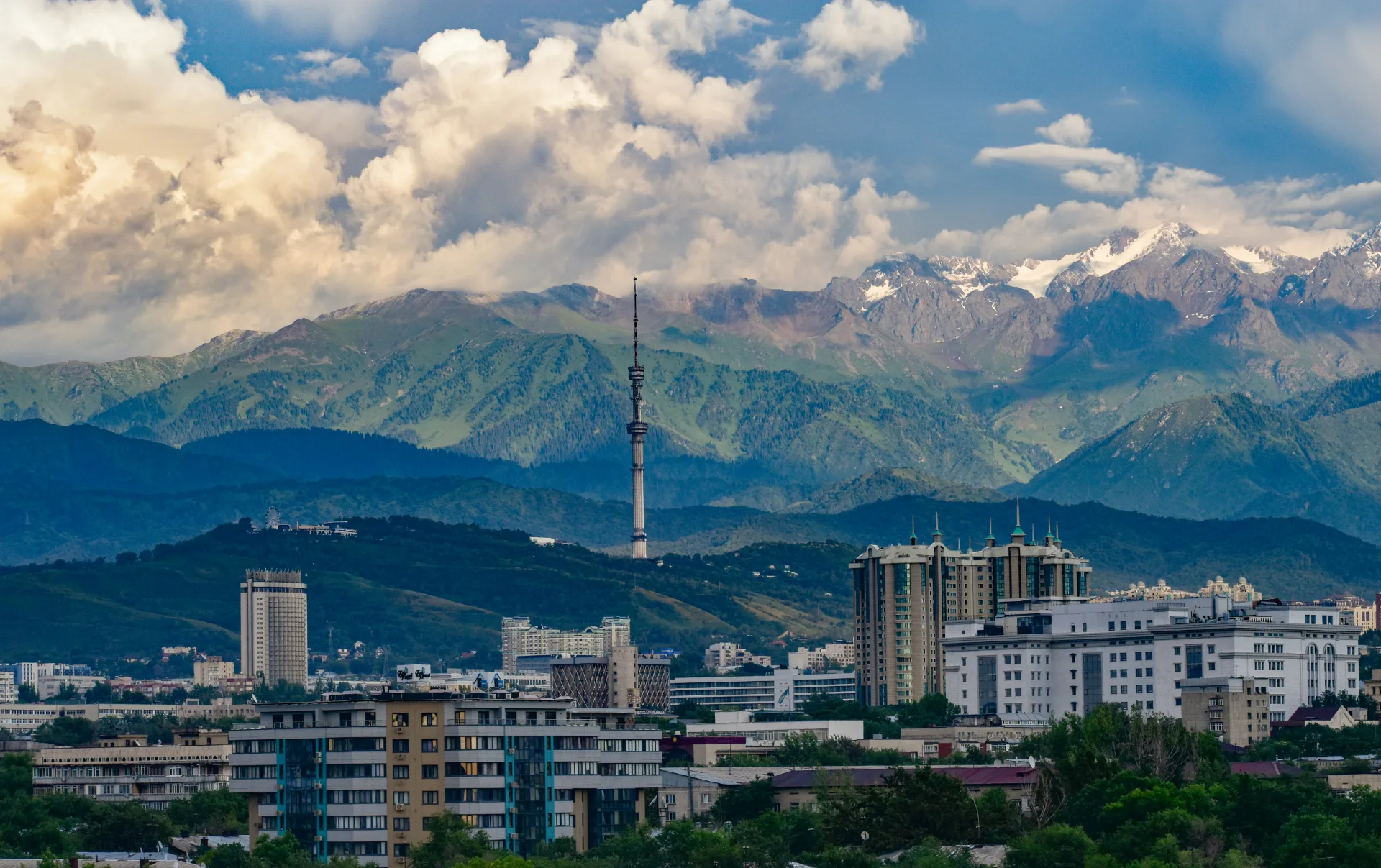
Казахстан сочетает бескрайние степи, заснеженные горы, каньоны, озёра и современные города. Огромные расстояния позволяют увидеть совершенно разные ландшафты — от Каспийского побережья и пустынь Мангистау до зелёных предгорий Алматы. Кочевая культура, конные традиции, юрты и гостеприимный дастархан остаются важной частью национальной идентичности.
Кратко о стране
- Виза
- Требования зависят от гражданства. Для граждан многих стран действует безвизовый режим.
- Язык
- Государственный язык — казахский. Русский широко распространён по всей стране.
- Валюта
- Казахстанский тенге — KZT. В городах карты принимаются широко, но в удалённых районах полезны наличные.
- Часовой пояс
- UTC+5 на всей территории страны.
- Лучшее время
- Май–июнь и сентябрь–октябрь; июль–август подходят для горных маршрутов.
- Связь и интернет
- В городах и вдоль основных дорог покрытие хорошее, но в степях, каньонах и горах связь может отсутствовать.
- Транспорт
- Из-за больших расстояний используются внутренние авиарейсы, поезда и автомобили.
- Безопасность
- Страна комфортна для путешествий, однако удалённые маршруты требуют подготовки, запаса воды, топлива и связи.
Памятка путешественника
- 01Не оценивайте время поездки только по расстоянию — между регионами Казахстана могут быть сотни километров.
- 02Для удалённых природных мест заранее подготовьте воду, топливо, офлайн-карты и заряженный телефон.
- 03Погода резко различается по регионам, поэтому берите одежду для жары, ветра и прохладных вечеров.
- 04В горах сообщайте кому-либо свой маршрут и предполагаемое время возвращения.
- 05В крупных городах удобно платить картой, но в аулах и национальных парках нужны наличные.
- 06Уважительно относитесь к правилам посещения мавзолеев, мечетей и семейного дастархана.
Главные места
- АлматыЗелёный город у подножия Тянь-Шаня, окружённый ущельями, озёрами и горными курортами.
- АстанаСовременная столица с футуристической архитектурой, музеями и широкими городскими пространствами.
- Чарынский каньонВпечатляющий природный комплекс с красными скалами и знаменитой Долиной замков.
- Кольсайские озёраЦепь горных озёр, окружённых хвойными лесами и вершинами Северного Тянь-Шаня.
- Национальный парк Алтын-ЭмельПустынные горы, Поющий бархан, древние курганы и редкие животные.
- ТуркестанИсторический и духовный центр с мавзолеем Ходжи Ахмеда Ясави.
Культура и традиции
Казахская культура выросла из кочевой жизни Великой степи. Юрта, лошадь и дастархан остаются её важнейшими символами. Гостю традиционно предлагают почётное место, чай и лучшие блюда. Национальные ремёсла включают изготовление войлочных ковров, вышивку, обработку кожи, дерева и металла. Весной широко отмечается Наурыз — праздник обновления природы. Конные игры, музыка домбры и уважение к старшим продолжают занимать важное место в общественной жизни.
Национальная кухня
- БешбармакОтварное мясо с широкими пластами теста и насыщенным бульоном.
- КазыТрадиционная колбаса из конины, которую подают во время праздников и семейных встреч.
- БаурсакНебольшие кусочки жареного теста, подаваемые к чаю и основным блюдам.
- Кумыс и шубатКисломолочные напитки из кобыльего и верблюжьего молока.
- КуртСолёный сушёный кисломолочный продукт, удобный для хранения и путешествий.